Halibut Recipe • 7 Seas Fish Market • Kitsilano, Vancouver
Lemon Caper Halibut You Can Bake or Pan Fry
•
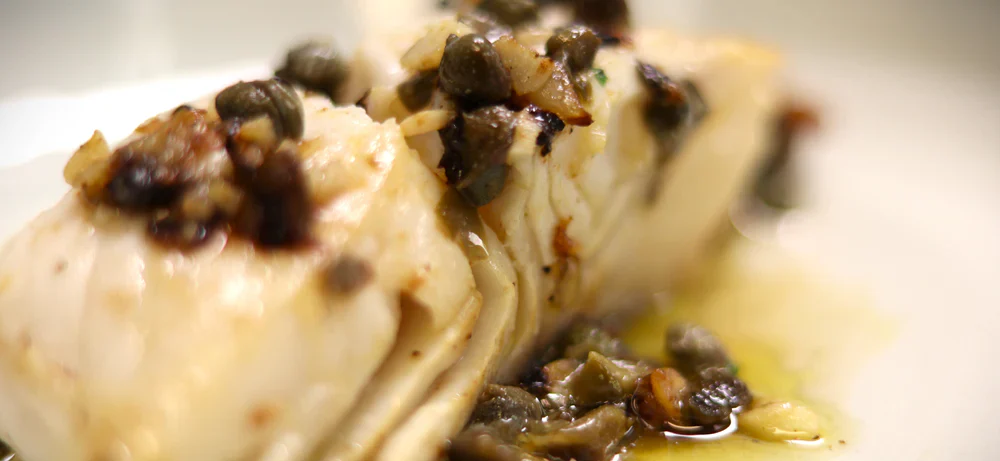
Halibut can feel like a special-occasion fish, but it does not need to be complicated. This lemon caper halibut recipe keeps things simple, bright, and clean, with two easy ways to cook it at home: baked in the oven or pan fried on the stove.
If you have ever worried about overcooking halibut, this is a good place to start. The lemon, butter, garlic, and capers bring enough flavour to keep the fish lively without covering up what makes halibut so good in the first place.
Quick answer
For a simple lemon caper halibut dinner, season the fish with salt and olive oil, add a lemon caper butter sauce, and either bake at 375°F or pan fry over medium-high heat. As a general guide, cook halibut for about 8 to 10 minutes per inch of thickness, keeping a close eye on it so it stays moist and tender.
Why this halibut recipe works so well
Halibut has a clean, delicate flavour and a firm texture that rewards careful cooking. It does not need a heavy sauce or a long ingredient list.
Lemon adds brightness. Capers bring a salty pop. Garlic adds warmth. Butter rounds everything out. Together, they make the fish feel finished without overwhelming it.
This is also a useful recipe because it gives you options. If you want an easier hands-off dinner, bake it. If you want a more direct, quick stovetop method, pan fry it.
Is this the right halibut recipe for you?
- Choose this if you want a clean, classic halibut dinner with bright flavour.
- Choose this if you want a recipe that works for both weeknights and guests.
- Choose this if you want two cooking methods for the same ingredient list.
- Skip this if you want a heavily spiced or breaded halibut dish.
What you need
Serves 4
For the halibut
- 4 halibut fillets or portions, about 6 to 8 ounces each
- 2 tablespoons extra virgin olive oil
- Sea salt, to taste
For the lemon caper sauce
- 2 tablespoons capers, lightly crushed with a spoon
- 2 tablespoons garlic, chopped
- 1 whole lemon, juiced
- 4 tablespoons butter
- Salt to taste
How to make the lemon caper sauce
In a small bowl, combine the crushed capers, chopped garlic, lemon juice, and butter. Season lightly with salt.
You can spoon this mixture directly over the halibut before cooking, or let it melt into the fish as it cooks in the oven dish or pan.
How to bake halibut
- Preheat the oven to 375°F.
- Place the halibut in a baking dish.
- Season with salt and olive oil.
- Spoon the lemon caper sauce over the fish.
- Roast for about 8 to 10 minutes per inch of thickness, checking early if the fillets are thin.
- Take it out when the fish is just cooked through and still moist.
A slightly underdone halibut fillet is usually more pleasant than an overcooked one. Pulling it a little early and letting it rest briefly often gives the best result.
How to pan fry halibut
- Heat 2 tablespoons of oil in a large pan over medium-high heat.
- Season the halibut with salt.
- Add the fish to the pan.
- Add the lemon caper sauce.
- Keep the heat around a steady medium-high level.
- Cook for about 8 to 10 minutes per inch of thickness in total, flipping halfway through.
Pan frying gives you a little more control and a bit more colour on the outside. Baking is simpler for thicker portions or when you are cooking other dishes at the same time.
Bake or pan fry?
Bake it if...
You want a simple, low-fuss dinner and are cooking thicker portions.
Pan fry it if...
You want a little more browning and a more direct hands-on cooking method.
What to serve with lemon caper halibut
This recipe pairs well with mashed potatoes and steamed asparagus, which keep the plate balanced without pulling attention away from the fish.
If you want help planning the rest of the meal, you can also explore more recipe inspiration with Recipo.
A quick note on freshness
Good cooking starts with good fish. Before preparing halibut, make sure the seafood is fresh and properly stored.
For more guidance, read our halibut guide for simple sensory checks based mainly on sight and smell.
Buying halibut in Vancouver
Halibut is one of those fish where quality really shows on the plate. If you are planning this recipe for dinner, it helps to start with fish you trust.
At 7 Seas Fish Market in Kitsilano, we help customers choose seafood for both simple weeknight dinners and more polished meals. If you are not sure what size fillet to buy or how much you need, contact the shop and ask.
Quick questions people ask
How long should I cook halibut?
A common guideline is 8 to 10 minutes per inch of thickness, but the exact time depends on the size of the fillet and your preferred level of doneness.
Is halibut better baked or pan fried?
Both can work well. Baking is easier and more forgiving, while pan frying gives you a little more browning and direct control.
What should I serve with halibut?
Mashed potatoes and steamed asparagus are a classic fit, but rice, roasted vegetables, or a simple salad also work well.
How do I know if halibut is fresh?
Look for fish that appears moist and clean, with a fresh smell rather than a strong odour. Our halibut guide explains the basics in more detail.
Order halibut from 7 Seas Fish Market
This is the kind of recipe that gets even better when the fish starts out right. If you are planning dinner in Vancouver, order from 7 Seas or visit us in Kitsilano for fresh seafood and practical advice on what to cook.
Make lemon caper halibut by baking or pan frying fresh halibut, then order quality seafood from 7 Seas Fish Market in Kitsilano.
About the Author